Our peoples, our history, and our present being are the essence of Canada. The attempts to erase our identities hurt us deeply, but it also hurt all Canadians and impoverished the character of this nation.”
— Phil Fontaine, Former National Chief of the Assembly of First Nations
Each year on September 30, Canadians are invited to pause and reflect on the truths of residential schools and the ongoing work of reconciliation, at home, in our communities, and in our workplaces. Nearly two-thirds of Canadians (64%) say they are more aware today of the history and treatment of Indigenous Peoples than they were four or five years ago, yet fewer than half (44%) believe governments should be doing more on reconciliation.
Awareness is important. But to move from awareness to practical resolution, individuals and organizations need to make reconciliation integral to everyday practices. Especially in how we hire, buy, partner, and create wealth.
For organizations like ours, this day is not just symbolic. It’s a call to align our policies, practices, and relationships with the principles of Truth and Reconciliation in tangible, measurable ways.
What Orange Shirt Day Represents
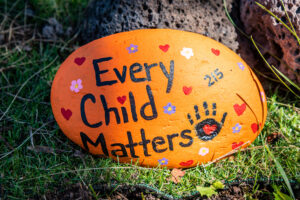
Orange Shirt Day began with the story of Phyllis Webstad, a Northern Secwepemc child whose new orange shirt was taken away on her first day at a residential school in the 1970s. This was a moment that came to symbolize the stripping away of identity, dignity, and childhood for Indigenous children across Canada.
“Every Child Matters” reminds us that every child is entitled to safety, culture, language, and love. These rights were systematically denied to Indigenous children through policies designed to erase their identities.
Now recognized as the National Day for Truth and Reconciliation, September 30 is a federally designated day of remembrance and learning, established in 2021 in direct response to the Truth and Reconciliation Commission’s Calls to Action and the growing awareness of unmarked burial sites at former residential schools.
The Truth We Are Asked to Remember
Between the late 1800s and 1996, more than 150,000 First Nations, Inuit, and Métis children were taken from their families and placed in residential schools funded by the Canadian government.
At these institutions, children were forbidden to speak their languages or practice their cultures, and survivor testimonies document widespread neglect, hunger, physical and sexual violence, and high mortality rates. These conditions were so severe that the odds of dying in some schools were comparable to those faced by Canadian soldiers in the Second World War.
The effects continue today through intergenerational trauma, disproportionate mental health challenges, ongoing child welfare involvement, and systemic inequities in education, employment, and health that shape the daily realities of Indigenous communities.
As the Truth and Reconciliation Commission concluded, this system amounted to cultural genocide. Its 94 Calls to Action ask all sectors (government, business, education, and civil society) to participate in meaningful, sustained reconciliation rather than symbolic gestures alone.

Why This Matters in the Workplace
Reconciliation also shows up in how we hire, support, and advance Indigenous talent, and in whether our workplaces are places where Indigenous employees feel safe to bring their full selves, histories, and perspectives.
Indigenous workers continue to face barriers such as higher rates of discrimination based on Indigenous identity (reported by about 38% of Indigenous respondents in recent survey data), uneven access to education, and systemic exclusion from senior decision‑making roles.
Employers have a role to play in addressing these gaps, by reducing discrimination, supporting education and training, investing in mentorship for Indigenous youth and workers, and embedding Indigenous perspectives into organizational culture, not just diversity statements.

Staff Shop’s® Perspective: An Indigenous and Women‑Owned Lens
As an Indigenous and women‑owned business, we see this day as an affirmation of why we exist: to challenge the status quo in the staffing and workforce ecosystem and to create pathways that honour Indigenous rights, leadership, and economic self‑determination.
Our approach to our business is rooted in respect for lived experience, representation across all levels of an organization, and relationship‑building.
For our team, September 30 is a time to listen to survivors and Indigenous knowledge‑keepers, reflect on our own practices, and recommit to partnerships that advance economic reconciliation, including how we show up for Indigenous candidates, clients, and communities all year round.
From Awareness to Economic Reconciliation
Economic reconciliation isn’t charity. It’s participation in employment, leadership, procurement, entrepreneurship, and wealth creation.
It asks organizations to look beyond hiring and ask: Who does our organization employ, buy from, partner with, and ultimately help create wealth for?
Measure Where the Money Goes
Here are some important things to consider for your organization:
- Track annual spend with Indigenous-owned suppliers, not just Indigenous hiring.
- Ask: What percentage of our procurement budget goes to Indigenous businesses, and how does that compare to our local Indigenous population and labour force?
- In 2023–24, the Government of Canada awarded over $1.24 billion in contracts to Indigenous businesses (6.1% of eligible contracts), surpassing its 5% target, however, many private sector organizations have no target at all. Change that.

Review Procurement Barriers
Consider whether insurance requirements, payment terms, minimum revenue thresholds, or complex RFP processes unintentionally exclude smaller Indigenous businesses.
This isn’t about handouts or lowering standards. It’s about recognizing that many Indigenous entrepreneurs didn’t historically have the same access to capital, networks, procurement opportunities, or generational wealth as the global companies they’re now expected to compete against.
A “hand up” can mean removing unnecessary barriers so qualified Indigenous businesses have a fair opportunity to compete and succeed based on merit.
Track Representation by Level
Don’t just measure overall Indigenous representation. Break it down by front line, management, executive, and board. Federal employment equity data shows that while Indigenous hiring has improved, promotions and upward mobility for Indigenous Peoples remain suppressed, pointing to ongoing advancement and retention challenges.
Put Reconciliation on the Business Scorecard
- Assign owners, targets, and timelines for hiring, advancement, supplier spend, partnerships, and leadership education.
- Treat reconciliation like any other strategic priority: with KPIs, quarterly reviews, and accountability.
Move from Consultation to Co‑Creation
- Build programs and strategies with Indigenous people and communities, not simply for them.
- Engage early with Indigenous communities and align with their governance and economic development plans to improve project outcomes and ensure mutual benefit.
Pay for Indigenous Expertise
- Compensate Elders, Knowledge Keepers, speakers, consultants, and employees when they’re asked to provide cultural knowledge or education.
- Budget for this work as you would for any other subject-matter expertise.
Look Beyond the Hire
- Measure retention, advancement, belonging, and psychological safety. Not just headcount.
- Ask whether Indigenous employees feel pressure to represent all Indigenous Peoples, and whether they have access to clear career pathways, mentorship, and leadership development.
Challenge Symbolic Spending
If more is being spent celebrating reconciliation than advancing it, consider redirecting some investment toward Indigenous businesses, employment programs, scholarships, or community partnerships.
5 Questions Every Leadership Team Should Ask on September 30
- How much did we spend with Indigenous-owned businesses this year, and what was the conversion rate from opportunity to contract award?
- Where are Indigenous people represented in our organization, and where aren’t they (by level and function)?
- What barriers in hiring, procurement, or advancement may be limiting Indigenous participation?
- Which reconciliation commitments have actual owners, targets, and timelines and how are we tracking progress?
- What will be demonstrably different by September 30, 2027?
More Than a Day
Reconciliation is not a single day. It is an ongoing commitment to truth, repair, and relationship, carried out in the choices we make as individuals and as organizations.
This September 30, we invite you to honour Orange Shirt Day and the National Day for Truth and Reconciliation by listening deeply, acting thoughtfully, and aligning your workplace practices with the Calls to Action.
What we choose to do next is what gives this day meaning and what will shape the future we build with Indigenous Peoples, not just for them.

Hire Our First Nations Founder & CEO to Speak at Your Next Event
This September 30, we invite you not only to mark the National Day for Truth and Reconciliation, but to deepen your organization’s understanding of what reconciliation looks like in practice across hiring, leadership, and everyday decision‑making.
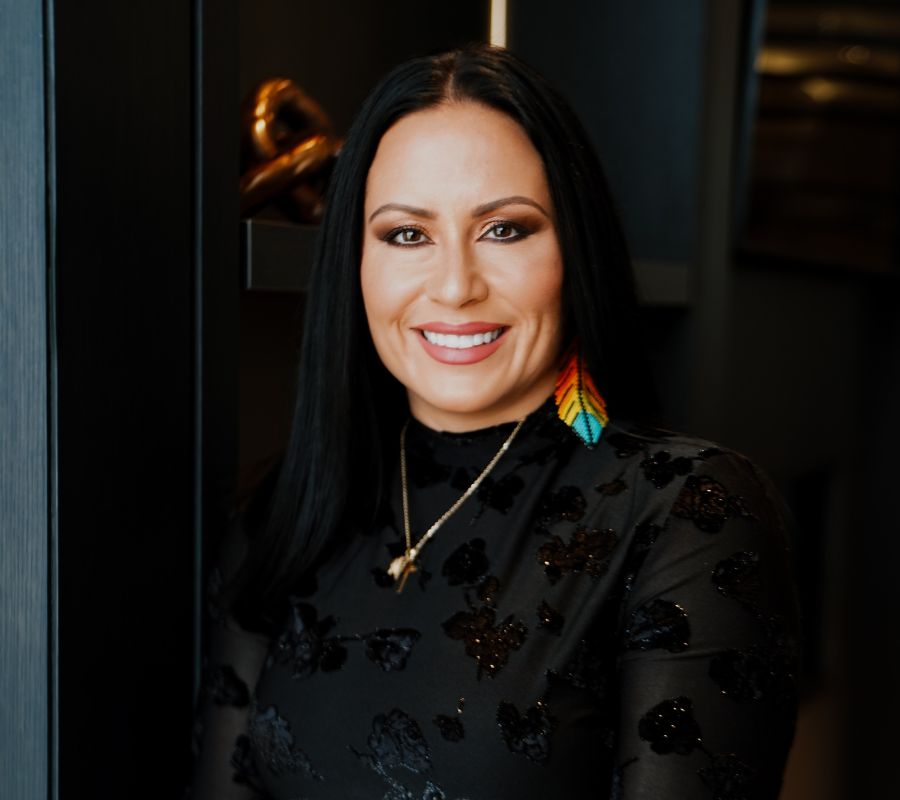
To support that journey, we encourage you to bring in voices who are living this work. As a First Nations Ojibwe and French‑Canadian entrepreneur, and the Indigenous and Women‑owned Founder & CEO of Staff Shop® and FireFlames, Jennifer Ménard‑Shand speaks candidly about residential schools’ legacy, economic reconciliation, and building workplaces rooted in faith, love, and purpose.
If your organization is ready to move from awareness to action, we invite you to book Jennifer for a keynote, panel, or leadership dialogue on Truth and Reconciliation, Indigenous inclusion, and values‑driven business.
“We must now capture a new spirit and vision to meet the challenges of the future.
As a great statesman once said, we are all part of one “garment of destiny”. The differences between us are not blood or colour and “the ties that bind us are deeper than those that separate us”. The “common road of hope” will bring us to reconciliation more than any words, laws or legal claims ever could.
We still have to struggle, but now we are in this together.
I reach out to all Canadians today in this spirit of reconciliation.
Meegwetch.”
— Phil Fontaine, Former National Chief of the Assembly of First Nations